What is the Purpose of Blackout Blinds and How Do They Work?
Blackout blinds have gained popularity for their ability to block out light effectively. They serve a crucial purpose in creating a peaceful environment for sleep and relaxation. According to Linda Hartman, an interior design expert, "Blackout blinds transform any room into a serene retreat." This statement reflects their value in today’s fast-paced world.
These blinds work by using thick, opaque fabrics that prevent outside light from entering the space. Many designs also include layers that improve insulation. Homeowners appreciate how blackout blinds enhance privacy and reduce glare. In cities, they can counteract the harsh streetlights that disrupt a good night's sleep.
Despite their advantages, some may find that using blackout blinds leads to feelings of isolation. It’s essential to consider a balance between light control and natural sunlight. While blackout blinds are effective for blocking light, they may also limit the warmth that comes from daylight. Achieving comfort in a home often requires rethinking how we use these functional window treatments.
Purpose of Blackout Blinds: Enhancing Sleep and Privacy
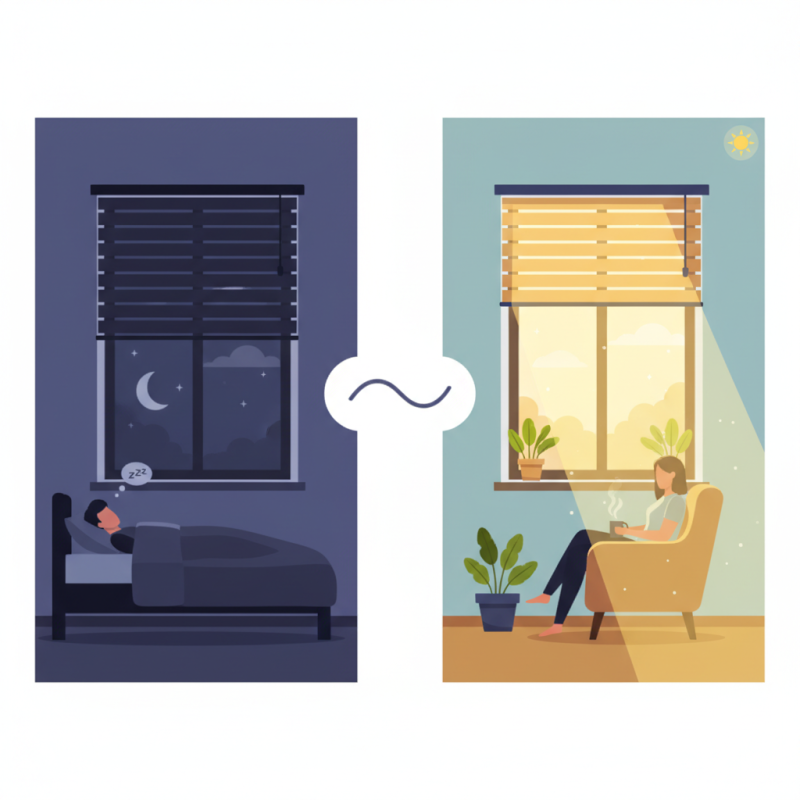
Blackout blinds serve a crucial role in enhancing both sleep quality and privacy. According to a study published by the National Sleep Foundation, over 60% of adults report difficulty sleeping due to light disturbances. Blackout blinds block out 99% of external light. This dramatic reduction often results in deeper, more restful sleep. People who use blackout blinds typically fall asleep faster and wake up less often during the night.
Beyond improving sleep, blackout blinds also provide significant privacy benefits. They create a shield against onlookers. A survey by the American Psychological Association found that nearly 40% of individuals feel anxious about privacy intrusions from neighbors or passersby. This anxiety can hinder relaxation and affect overall wellbeing. By installing blackout blinds, homeowners can enjoy a sense of security in their personal space.
However, it's essential to recognize that these benefits may come with potential drawbacks. Some users have noted that complete darkness can lead to drowsiness during the day. Additionally, if not properly maintained, blackout blinds may become less effective over time. Regular cleaning and checks can help ensure they function optimally, maximizing both sleep quality and privacy. The importance of adjusting these features to personal lifestyle is key for achieving the best results.
How Blackout Blinds Function: Light Blocking Mechanism
Blackout blinds are essential for creating a restful environment. Their primary function is to block out light entirely. This is achieved through a combination of dense fabric and a specialized backing. Many models utilize multiple layers to ensure maximum light absorption. According to the American Society of Interior Designers, approximately 30% of sleeping quality issues relate to light exposure.
The light-blocking mechanism of blackout blinds relies on physical properties. The materials are often thick and tightly woven. Some use foam backing to enhance darkness. A study by the National Sleep Foundation found that complete darkness boosts melatonin production, essential for sleep. This is crucial for those experiencing insomnia or other sleep disorders.
Despite their effectiveness, blackout blinds can have drawbacks. Installation may be challenging for some users. A poor fit around windows can lead to light leaks. This can diminish their intended benefits. Maintenance also requires careful attention; dust accumulation can affect both aesthetics and functionality. Users should regularly clean them to ensure optimal performance. These considerations are vital for anyone looking to improve their sleep environment.
Types of Blackout Blinds: Options for Different Needs
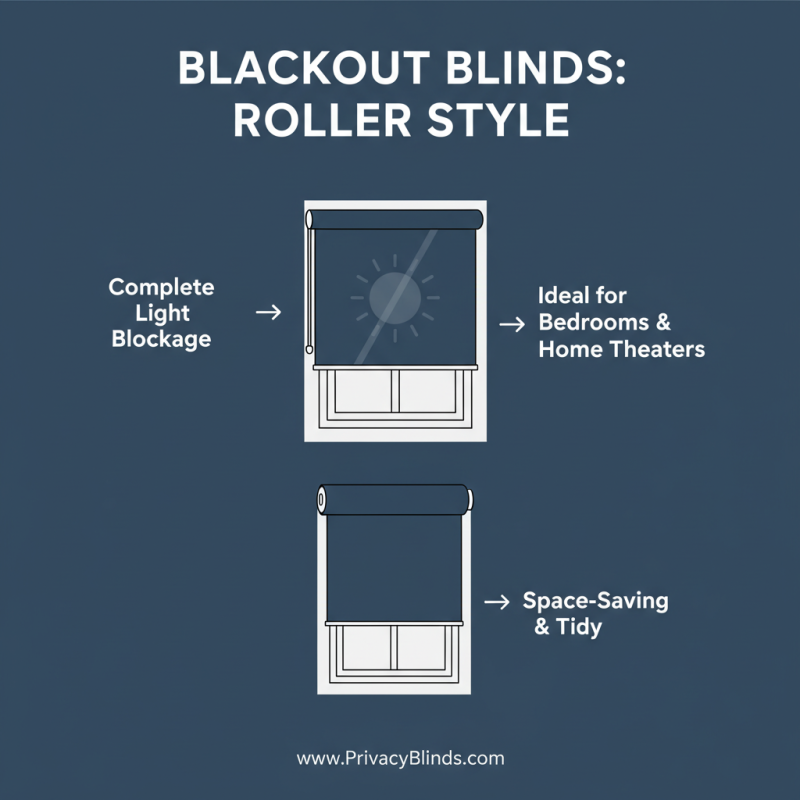
Blackout blinds come in various types, catering to different needs and preferences. Roller blackout blinds are popular for their sleek design and functionality. They effectively block sunlight, making them ideal for bedrooms and home theaters. These blinds roll up neatly when not in use, preserving space and creating a clean look.
Another option is cellular shades. Their honeycomb structure provides insulation while blocking light. They come in different shapes and sizes, fitting various window configurations. Beyond their practical benefits, they contribute to energy efficiency. Users can adjust them easily throughout the day.
For those looking for versatility, sheer blackout curtains can be valuable. They offer the flexibility of light control while maintaining some level of privacy. However, these curtains may not completely eliminate light, which could be a concern for light-sensitive individuals. Each type of blackout blind has its strengths and weaknesses. Choosing the right one depends on specific needs and living spaces.
Installation Methods for Blackout Blinds: A Step-by-Step Guide
Blackout blinds are essential for creating a serene environment. They control light and enhance privacy. Proper installation is crucial for maximum effectiveness. According to a study by the American Society of Interior Designers, over 60% of homeowners prioritize light control when selecting window treatments.
For installation, first, gather your tools: a drill, a measuring tape, and a level. Measure the window frame carefully. Mark the locations for brackets with a pencil, ensuring they are even. This step is vital. Uneven brackets can lead to misalignment. Drill holes at the marked spots, then securely attach the brackets.
Next, hang the blinds according to the manufacturer’s instructions. Ensure they move smoothly. Remember, measuring twice is key; mistakes can be frustrating. If the blinds are overly long, trim them for the perfect fit. Many homeowners overlook this, leading to a less polished look. Finally, test the operation of your new blinds. Making adjustments now will save trouble later. Properly installed blackout blinds provide peace, comfort, and improved energy efficiency, as reported in industry analyses showing energy savings of up to 25%.
What is the Purpose of Blackout Blinds and How Do They Work? - Installation Methods for Blackout Blinds: A Step-by-Step Guide
| Feature |
Description |
Installation Method |
Benefits |
| Light Blocking |
Blackout blinds prevent light from entering the room, making them ideal for bedrooms and media rooms. |
Mounting brackets are attached to the wall or window frame, then the blinds are hung. |
Improves sleep quality by eliminating unwanted light. |
| Energy Efficiency |
These blinds can help regulate room temperature by blocking heat in summer and retaining warmth in winter. |
Use adhesive tape for easy installation without drilling, or screws for a more permanent solution. |
Lower energy bills by reducing reliance on heating and cooling systems. |
| Privacy |
Blackout blinds provide complete privacy, making them suitable for ground-floor rooms. |
Choose between inside mount (fit within the window frame) or outside mount (extend beyond the frame). |
Enhances security by preventing outsiders from seeing into the home. |
| Noise Reduction |
Some blackout blinds can also help reduce outside noise, which is great for urban living. |
Follow manufacturer instructions, starting with measuring your windows accurately. |
Creates a quieter environment for improved relaxation and focus. |
Benefits Beyond Darkness: Insulation and Noise Reduction Features
Blackout blinds do more than keep light out; they offer insulation and noise reduction as well. These features can enhance your living space significantly. Insulation helps maintain a consistent temperature in your home, potentially reducing energy bills. Noise reduction is especially beneficial in urban areas, providing a quieter environment for relaxation and sleep.
When choosing blackout blinds, consider their material. Fabrics with multiple layers provide superior insulation. A thicker material can minimize exterior noise even more. Light-colored fabrics can reflect sunlight, while dark colors absorb it. This choice affects both temperature control and ambiance in your room.
Tips for installation: Ensure a snug fit to maximize insulation. Seal gaps between the blinds and the window frame. Regular maintenance is vital for long-term effectiveness. Dust and clean blinds frequently. This simple step can prolong their lifespan and maintain their noise-reducing capabilities. Consider the aesthetic appeal too. Select colors that complement your room's decor while providing the benefits you seek.
Benefits of Blackout Blinds
Blackout blinds serve multiple functions beyond just preventing light from entering a room. They provide excellent insulation, allowing homes to maintain temperature efficiently, reduce noise from outside disturbance, ensure privacy, and contribute to energy savings. The chart above illustrates the key benefits of blackout blinds, highlighting their effectiveness in various areas.