How to Choose the Right Motorized Shades for Your Home?
In the quest for modern home comfort, motorized shades are gaining significant attention. According to a recent report by the National Home Furnishings Association, the market for motorized shades has seen a growth of over 25% in the past five years. This trend reflects a broader desire for convenience and energy efficiency in home design. As industry expert, Lisa Chen, points out, "Motorized shades not only enhance aesthetics but also provide functional benefits."
Consumers are recognizing the potential of motorized shades to transform their living spaces. These shades offer enhanced privacy, light control, and can even reduce energy costs. Yet, choosing the right option can be challenging. Many homeowners struggle with the numerous styles and technologies available. Each decision comes with its own set of considerations that can be overwhelming.
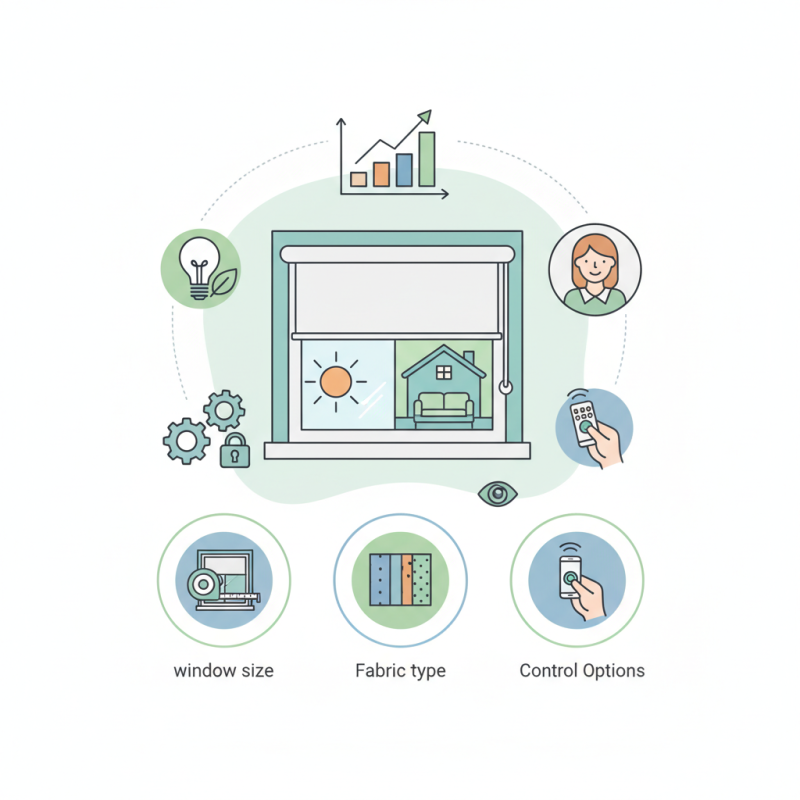
While motorized shades offer a sleek and contemporary solution, it’s essential to reflect on personal needs and preferences. Factors such as window size, fabric type, and control options must be carefully evaluated. Taking the time to understand these elements can lead to a more satisfying choice. A thoughtful approach can ensure that motorized shades are not just a trend, but a lasting addition to a comfortable home environment.
Understanding the Basics of Motorized Shades
Motorized shades are becoming increasingly popular in modern homes.
They offer convenience and style. Understanding the basics helps in making the right choice.
According to industry reports, the global smart window treatment market is expected to reach $2.5 billion by 2024.
This growth illustrates the rising demand for advanced shading solutions.
When choosing motorized shades, consider functionality and design.
Some shades are better for light control, while others focus on insulation.
Measuring your windows correctly is crucial too. Many users find it challenging to get the right fit.
An improper size can lead to ineffective light blocking and a poor aesthetic.
Energy efficiency is another factor to ponder. Research shows that motorized shades can reduce energy bills by up to 25%.
However, many homeowners neglect to estimate their usage patterns.
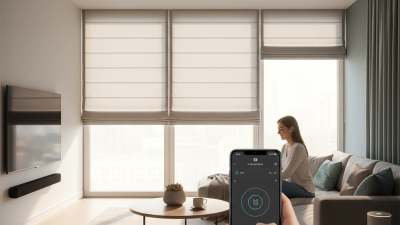
Automated scheduling features can maximize their potential but may seem complex at first.
It's important to weigh the pros and cons before investing in this technology.
Comfort and control are often the primary goals, yet the initial setup can be daunting.
Identifying Your Home's Lighting Needs
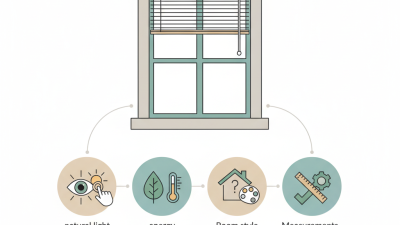
When choosing motorized shades, understanding your home's lighting needs is crucial.
Natural light exposure can vary greatly throughout the day. Some rooms may receive direct sunlight, while others stay dim.
Identify these patterns to make an informed choice.
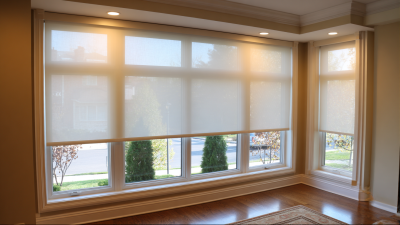
Consider the purpose of each room. A living room may need light-filtering shades for soft illumination, while a bedroom might benefit from blackout shades for deeper sleep.
Think about how you want each space to feel. Should it be bright and airy, or cozy and intimate? Balancing these needs will guide your selection.
Tips:
- Measure your windows carefully. Light can seep through ill-fitting shades, reducing their effectiveness.
- Explore different materials. Fabrics can absorb or reflect light differently.
- Assess energy efficiency as well. The right shades can help maintain comfortable temperatures.
- You may find that your initial preferences change upon checking the actual light levels in your home.
- It's helpful to experiment with samples before making a final decision.
Choosing the Right Material and Style for Your Motorized Shades
When choosing motorized shades, the material and style greatly affect aesthetics and functionality. Light-filtering fabrics can create a soft ambiance in your home. In recent studies, 74% of homeowners prefer shades that balance natural light and privacy. This highlights a trend influenced by modern interior design, where light control is key.
Consider the operational efficiency of different materials. For instance, blackout shades excel in blocking out light completely. This choice can lead to energy savings. According to a 2022 report, homes with blackout shades saw a 15% reduction in heating costs. This is significant, especially during long winters.
Style also plays a crucial role. Roller shades offer a sleek, minimalist look. Roman shades provide a classic vibe. Fabric choices vary, adding layers of texture. However, there might be a mismatch between your home's decor and shade styles. This could lead to dissatisfaction over time. It’s essential to reflect on your space and preferences before making a final decision.
How to Choose the Right Motorized Shades for Your Home?
Evaluating Installation Options: DIY vs. Professional Help
When considering motorized shades for your home, installation options can be overwhelming. You might think DIY is easy and cost-effective. However, it often requires tools and skills you may not possess. Reading instructions can sometimes lead to confusion. Mistakes in installation can result in additional expenses.
Professional help is another route worth exploring. Skilled installers can ensure that everything operates smoothly. They handle intricate wiring, which can be daunting. You may pay a premium, but the peace of mind can be worth it. Consider your comfort level. Are you handy with tools? Or do you often find yourself stuck during home projects?
Remember, the choice between DIY and professional installation depends on your unique situation. Picture your space and how the shades fit in. Skipping installation tips might lead to regrets later on. Weigh the pros and cons carefully. After all, the goal is to enhance your home and lifestyle. Take the time to reflect on what you truly want.
Budgeting for Your Motorized Shades Purchase and Maintenance
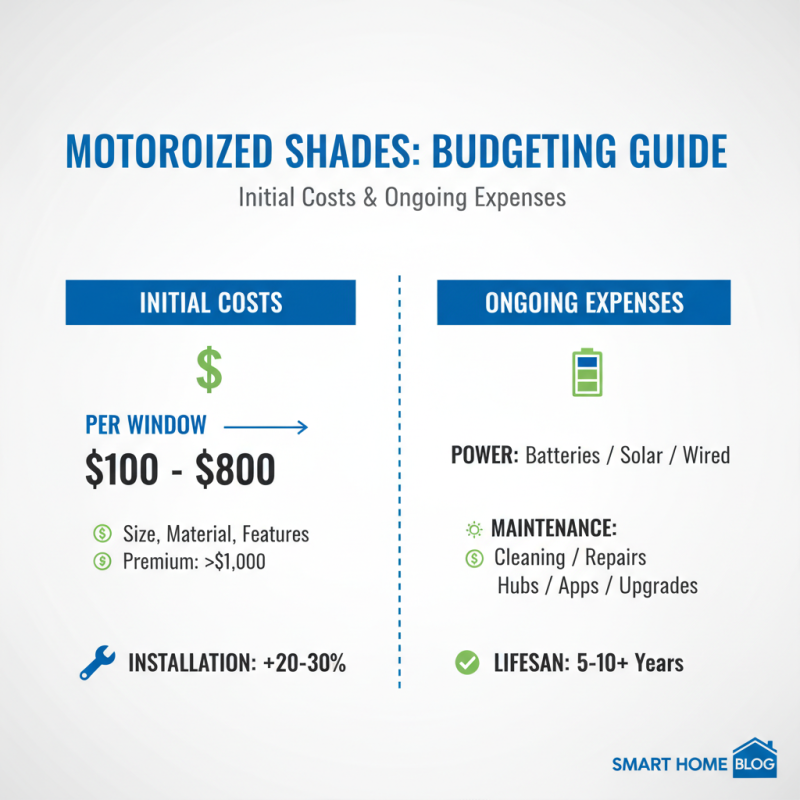
When budgeting for motorized shades, consider the initial costs and ongoing expenses. According to industry reports, the average cost of motorized shades ranges from $100 to $800 per window. Prices depend on size, material, and features. Premium options can exceed $1,000. Don't forget to factor in installation costs, which can add another 20-30% to your budget.
Tips: Assess your window sizes and orientations. This will help you select shades that fit well and suit your needs.
Maintenance is another essential aspect. Regular upkeep ensures longevity. Most systems require minimal care but do check the batteries and cleaning mechanisms. Some systems can incur costs over time. Replacing components could range from $50 to $200, depending on the parts needed.
Tips: Research warranty options before purchasing. A solid warranty may save you significant money later.
An estimated 30% of homeowners overlook their budget for motorized shades. Many focus solely on aesthetics. Balancing style and budget is crucial for a satisfactory investment. Take the time to reflect on your priorities and long-term plans. Consider how often you will use these shades to justify the expense.