How to Choose the Best Kitchen Blinds for Your Home?
Choosing the best kitchen blinds is essential for both functionality and style. Expert interior designer Linda Thompson states, "Kitchen blinds should enhance your space, not overwhelm it." Selecting the right type of blinds can transform your kitchen atmosphere.
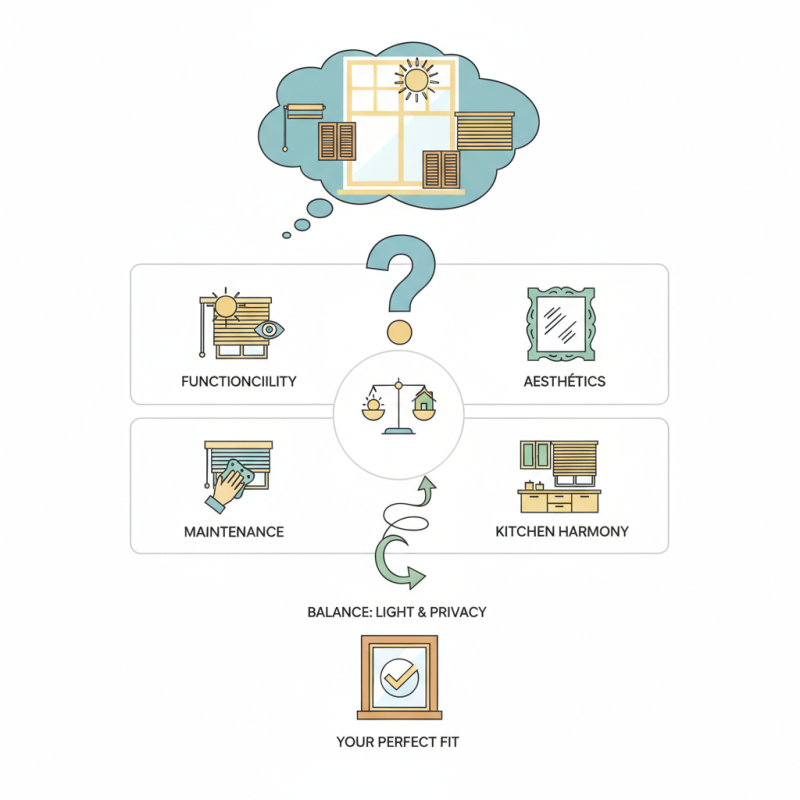
There are various options available in the market. From roller blinds to wooden shutters, each can bring a unique touch. It's easy to get lost in styles and colors. However, it's crucial to consider how light affects your cooking space. Natural light is essential, yet privacy is important too. Finding a balance can be a challenge.
Consider your kitchen's design and your personal preferences. Will the blinds suit your cabinets and countertops? Also, think about maintenance. Some materials require more care than others. Reflect on your lifestyle before making a decision. Kitchen blinds should fit seamlessly into your daily routines, adding both beauty and practicality.
Understanding the Different Types of Kitchen Blinds Available
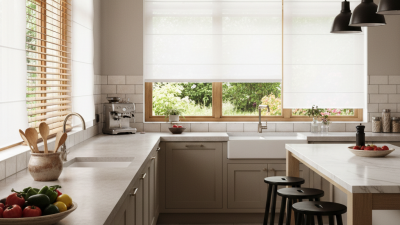
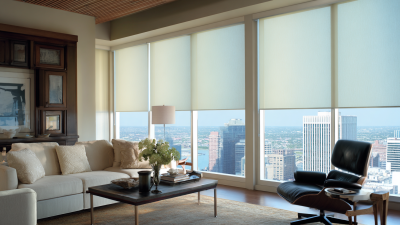
When selecting kitchen blinds, understanding the various types available is essential. Roller blinds are popular for their simplicity. They come in various colors and patterns, adding flair to your kitchen. These blinds can effectively block sunlight, which helps in reducing glare during meal preparation. However, they may require frequent cleaning to maintain their appearance.
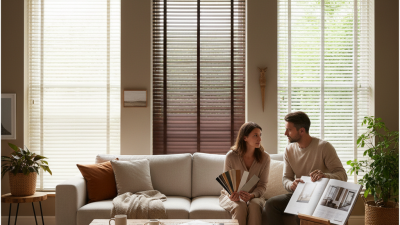
Vertical blinds are another option. They are practical and versatile. They can be customized to fit any window size. The adjustable slats allow you to control the light entering the space. But they can sometimes be tricky to operate. Improper handling can lead to slats that don’t align properly, creating an uneven look.
Wooden blinds provide a warm aesthetic. They bring a natural element to your kitchen. The texture of wood complements many design styles. However, they can warp in humid environments. Regular maintenance is necessary to keep them in good shape. Each blind type has its pros and cons. Reflecting on your kitchen's needs will help you make the best choice.
Assessing Light Control and Privacy Needs for Your Kitchen
When choosing kitchen blinds, light control and privacy are crucial. Studies show that 80% of homeowners prioritize these factors when making blinds selections. In a space where you cook, the right balance of natural light and privacy is essential. A bright kitchen can enhance your mood, while effective blinds can help manage glare and keep your personal space secluded.
Consider the direction of your kitchen windows. North-facing kitchens get consistent, soft light, while south-facing ones tend to be brighter. A report from the American Institute of Architects suggests that up to 70% of energy savings can come from smart window coverings. Blinds that allow for adjustable slats can provide both light control and privacy, but they may require more maintenance.
Layering your window treatments can be another option. Combining sheer panels with blackout blinds offers flexibility. However, this can cause confusion about cleaning and upkeep. It’s important to reflect on your lifestyle. If you’re busy, simpler options may serve better than intricate designs. The kitchen is a hub for activity, and choosing the right blinds should complement that dynamic environment.
How to Choose the Best Kitchen Blinds for Your Home? - Assessing Light Control and Privacy Needs for Your Kitchen
| Blind Type |
Light Control |
Privacy Level |
Material |
Maintenance |
| Venetian Blinds |
Adjustable |
Moderate |
Aluminum/Wood |
Easy |
| Roller Blinds |
High Control |
High |
Fabric |
Medium |
| Roman Blinds |
Moderate |
High |
Fabric |
Medium |
| Cellular Shades |
Excellent |
High |
Fabric |
Low |
| Vertical Blinds |
Adjustable |
Moderate |
Vinyl/Fabric |
Easy |
Choosing the Right Material for Kitchen Blinds: Key Factors
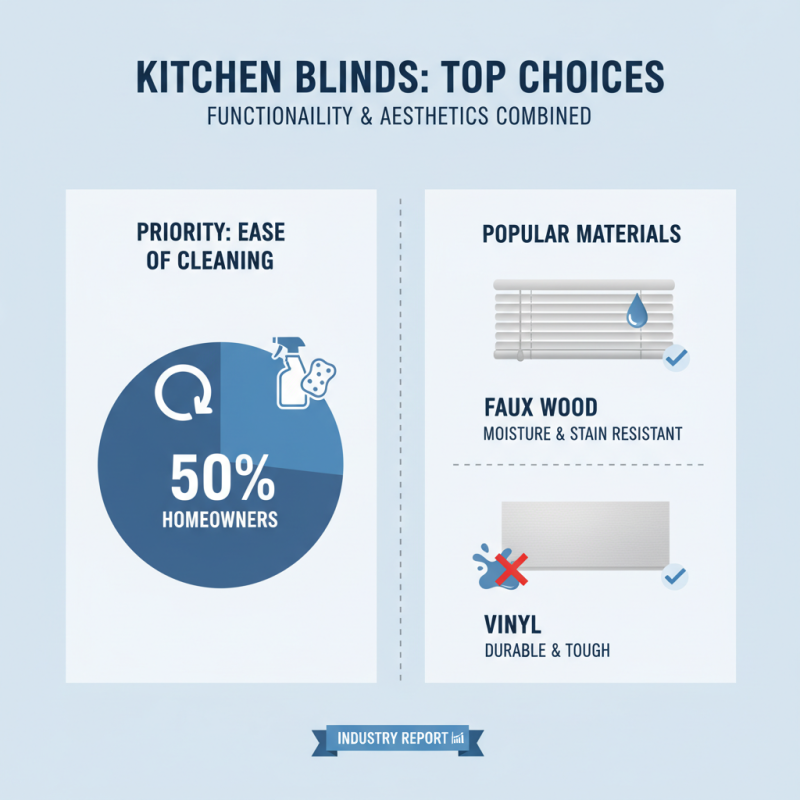
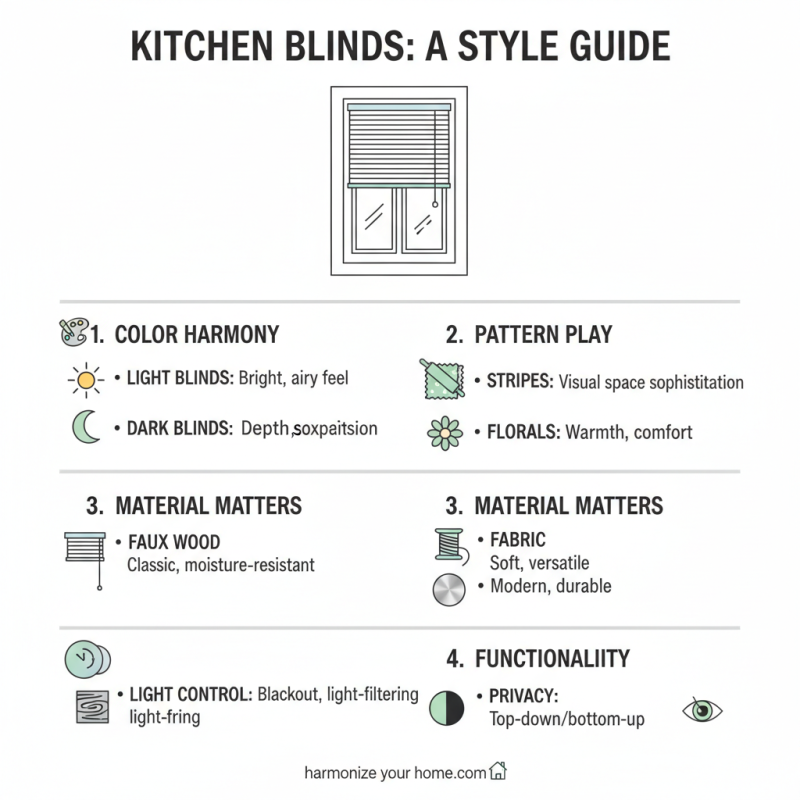
Choosing the right material for kitchen blinds is crucial for both functionality and aesthetics. According to a recent industry report, around 50% of homeowners prioritize ease of cleaning when selecting blinds for kitchen spaces. Materials like faux wood and vinyl are popular choices, as they resist moisture and stains. These options can withstand the challenges of a busy kitchen environment, ensuring durability.
Another factor to consider is light control. Some materials allow more light to filter through than others. For instance, sheer fabrics can create a soft ambiance but may lack privacy. In contrast, blackout materials offer complete privacy from outside eyes but can make the room feel darker. Balancing these aspects is vital, and much of it depends on personal preference and the kitchen's layout.
It’s also essential to reflect on maintenance. While metal blinds may look sleek, they can dent easily and show fingerprints. On the other hand, fabric blinds can absorb odors, especially with cooking. Understanding these trade-offs can lead to better decisions. Ultimately, the best material aligns with your lifestyle and the specific needs of your kitchen.
Measuring Your Kitchen Windows for Perfect Blind Fit
Measuring your kitchen windows accurately is crucial for a perfect blind fit. Start by gathering your tools: a tape measure, a pencil, and possibly a helper. Measure the width of the window frame at three different points: the top, middle, and bottom. Use the smallest measurement. This ensures that the blinds will fit snugly without any gaps.
Next, measure the height of the window. Like the width, do it at three points: the left side, middle, and right side. Again, take the smallest measurement. If your windows have obstructions like handles or protruding trim, be mindful of them. They can affect the final size you need. Sometimes, measuring can lead to mistakes, like forgetting to include these details. Double-checking your measurements can save you from buying the wrong size.
When you have your dimensions, consider the mounting type. Inside-mount blinds require more precision than outside-mount. If you're unsure, re-measure. Taking the time to get it right is worth it for a polished look in your kitchen. Don’t rush; mistakes can lead to frustration. After all, the goal is to achieve that well-fitted, finished appearance you desire.